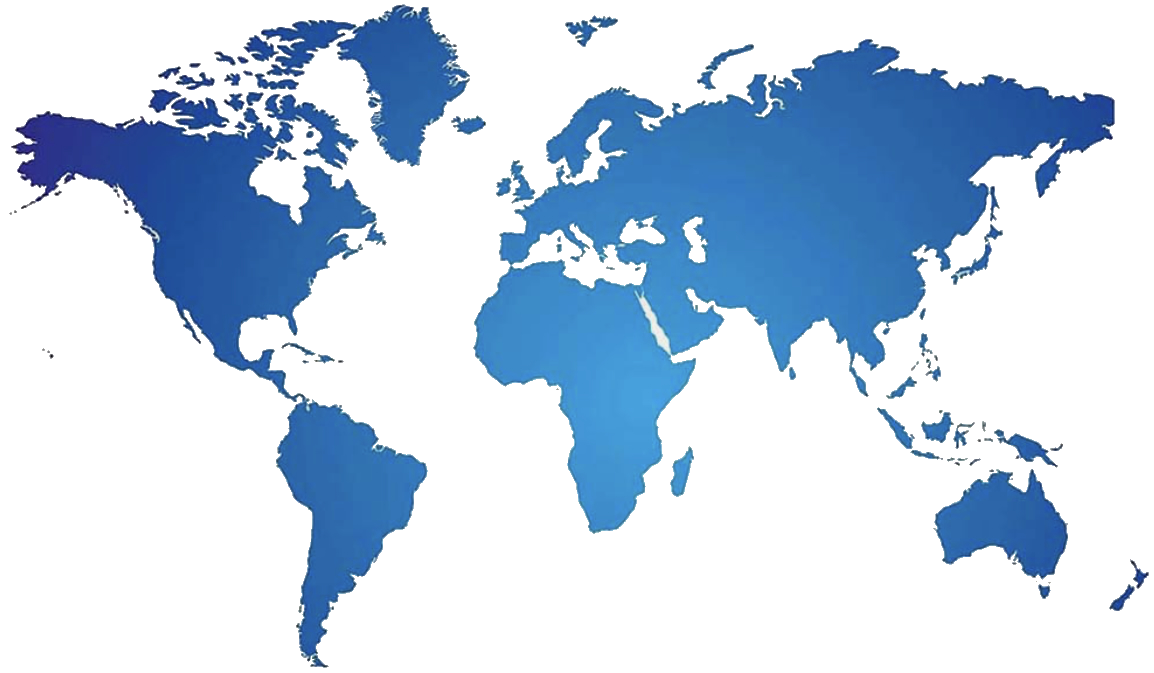
Socio-economic units should be formed throughout the world on the basis of same economic problems, uniform economic potentialities, ethnic similarities, common sentimental legacy and similar geographical features. … Socio-economic units will have to adopt economic decentralization so that the local people will be able to obtain all the requirements necessary for their physical, psychic and spiritual progress.

– Shrii Prabhat Rainjan Sarkar
Bhárata Dviipa – Oceania
A work in progress, remaining samajas of the world to come.

What are the criteria being used to label all of these as samaj? I understand P.R. Sarkar identified some, but certainly not all of these. Thank you for sharing your resources.
The writers’ collective behind Prout Globe (this website) is behind the drive to define all samajas worldwide. In our work, we do our best to follow Shrii Prabhat Ranjan Sarkar’s directions, such as are found here: https://proutglobe.org/2000/07/criteria-for-socioeconomic-groupification/. We are very much aware that ours is a work in progress, and we do keep an open mind and indeed an open mailbox for incoming ideas. Samaja is a dynamic concept, and we expect frequent changes to our work for so many reasons. To our knowledge, earlier maps and lists of samajas are not satisfactory, except for those approved by Shrii Sarkar, which we have included here.
Was Kodagu samáj originally given by P.R. Sarkar or is it a later addition?
Kodagu is #43 in Indian samaj list
Kodava District used to be called Coorg, a British name. Kodagu is the name of the language. Kodagu Samaja is a centre of exploitation. Labourers come from other states. Sarkar opined that they are the best fighters in the world. He recognised Coorg (Kodagu) Samaja in the 1960s. When the Government of India banned government officers from joining AMPS organisations, Coorg Samaja was included on that list.
It’s not Konkani samaj, but it is Konkan samaj, listed at no. 42. It is name of the geographical region between Ratnagiri in Maharashtra, through entire Goa state and part of coastal Karnataka. The speciality of this coastal area is the rise of rocky mountain from the Arabian sea, with narrow beaches at few places. Marathi, Konkani and Kannada are the three major languages of this region.
Many thanks, we are looking into it.